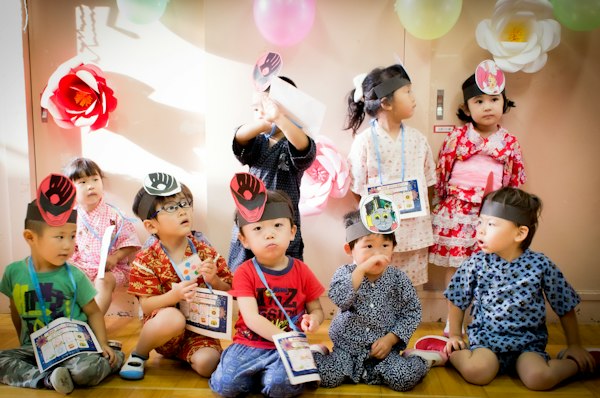
Understand what children typically learn at every age, discover important developmental milestones, and know when extra support may help.
Therapist Created
Evidence-Based
Free Forever
Personalized
1,280+ parents
& therapists trust Kiddo+
Find any skill
Search 1,400+ milestones
Try “jump”, “button”, “speech”, “toilet”, or “drawing”.
Where is your child?
Development Progress Timeline
Tap the age that matches your child to jump straight to their milestones.
1 Year milestones
1-Year-Old Milestones
Around 12 months, your baby is becoming a confident explorer. They're starting to communicate, taking their first wobbly steps, and discovering how the world works.
Overall progress0%
How to use: Tap any domain below to open its checklist. Tick what your child can usually do, then Save to update progress on this page.
1-Year-Old Milestones — Milestone Checklist
Communication & Language
☐ Says 1–3 clear words — e.g. Like ‘mama’, ‘dada’ or ‘ball’.
☐ Responds to their name — e.g. Turns and looks when called.
☐ Babbles with intonation — e.g. Sounds like real conversation.
☐ Waves ‘bye-bye’ — e.g. Especially when prompted.
☐ Points at things they want — e.g. Reaches up for a toy on a shelf.
☐ Follows simple gestures — e.g. Looks where you point.
☐ Understands ‘no’ — e.g. Pauses briefly when told no.
☐ Imitates familiar sounds — e.g. Copies a dog ‘woof’ or car ‘brrm’.
☐ Uses gestures to communicate — e.g. Lifts arms to be picked up.
☐ Recognises names of familiar people — e.g. Looks at Grandma when named.
☐ Shows understanding of routines — e.g. Goes to door when you say ‘walk’.
Gross Motor
☐ Pulls to stand on furniture — e.g. Uses the sofa to stand.
☐ Cruises along furniture — e.g. Side-steps around the coffee table.
☐ Takes a few steps on their own — e.g. Walks 2–3 steps before falling.
☐ Crawls confidently — e.g. Quickly crosses a room.
☐ Sits without support for long periods — e.g. Plays sitting up for 10+ minutes.
☐ Climbs onto low furniture — e.g. Crawls up onto the couch.
☐ Lowers from standing safely — e.g. Sits down without tumbling.
☐ Rolls a ball back to you — e.g. Pushes a ball with both hands.
☐ Stands alone briefly — e.g. Lets go of furniture for 1–2 seconds.
☐ Bears weight on legs — e.g. Stands while you support hips.
Fine Motor
☐ Uses a pincer grasp — e.g. Picks up small food with thumb and finger.
☐ Bangs two objects together — e.g. Knocks two blocks like cymbals.
☐ Drops objects into a container — e.g. Puts blocks into a bucket.
☐ Turns pages of a board book — e.g. Sometimes a few at a time.
☐ Releases objects on purpose — e.g. Hands you a toy when asked.
☐ Tries to feed self with fingers — e.g. Picks up cheerios neatly.
☐ Pokes with index finger — e.g. Points at pictures in a book.
☐ Stacks 2 blocks — e.g. Sets one block on another.
☐ Scribbles briefly with a chunky crayon — e.g. Makes random marks.
☐ Holds a spoon (messily) — e.g. Tries to feed self yogurt.
Social Skills
☐ Plays peek-a-boo and pat-a-cake — e.g. Laughs and joins in.
☐ Shows preference for familiar adults — e.g. Reaches for parent in a crowd.
☐ Mimics simple actions — e.g. Copies you clapping.
☐ Hands a toy to share briefly — e.g. Gives you a block, then takes it back.
☐ Shows affection — e.g. Cuddles a favourite teddy.
☐ Watches other children with interest — e.g. Studies kids at the park.
☐ Smiles in response to attention — e.g. Beams when greeted.
☐ Plays simple back-and-forth games — e.g. Rolls a ball with you.
☐ Looks at people’s faces during interaction — e.g. Makes eye contact when you talk.
☐ Shows shyness or anxiety with strangers — e.g. Clings to you with new adults.
Emotional Regulation
☐ Calms when comforted — e.g. Settles in your arms.
☐ Shows clear emotions — e.g. Cries, laughs, gets angry.
☐ Has separation anxiety — e.g. Upset when you leave the room.
☐ Seeks security objects — e.g. Reaches for a favourite blanket.
☐ Mimics emotional expressions — e.g. Frowns when you frown.
☐ Looks to caregiver in new situations — e.g. Checks your face for reassurance.
☐ Recovers from upset with support — e.g. Stops crying when held.
☐ Shows excitement about familiar events — e.g. Squeals when bath fills.
☐ Tolerates short waits — e.g. Waits a moment for a snack.
☐ Shows preferences clearly — e.g. Pushes away food they dislike.
Play Skills
☐ Explores objects with hands and mouth — e.g. Mouths every new toy.
☐ Bangs, shakes, and throws toys — e.g. Tests how each toy sounds.
☐ Plays with cause-and-effect toys — e.g. Loves pop-up button boxes.
☐ Drops items to see them fall — e.g. Drops spoon from highchair repeatedly.
☐ Imitates simple play — e.g. Copies stirring a spoon in a cup.
☐ Looks for hidden toys — e.g. Searches under a blanket.
☐ Enjoys music and rhythms — e.g. Bounces to a beat.
☐ Plays alongside others — e.g. Sits near a sibling at play.
☐ Uses simple objects functionally — e.g. Pretends to drink from a cup.
☐ Pulls toys on strings — e.g. Walks while dragging a pull-toy.
Learning & Thinking
☐ Object permanence — e.g. Knows toy still exists when hidden.
☐ Follows a one-step instruction with gestures — e.g. ‘Give me the ball’ with hand out.
☐ Imitates familiar actions — e.g. Copies brushing hair.
☐ Recognises familiar pictures — e.g. Points to dog in a book.
☐ Looks at correct picture when named — e.g. Points to bus when asked.
☐ Explores how things work — e.g. Pushes buttons on toys.
☐ Notices small details — e.g. Picks up a tiny crumb.
☐ Remembers familiar songs — e.g. Anticipates the actions in pat-a-cake.
☐ Tries new ways to solve problems — e.g. Reaches around a barrier.
☐ Recognises self in mirror — e.g. Smiles or pats own reflection.
Daily Living Skills
☐ Drinks from an open or sippy cup — e.g. With some spills.
☐ Helps with dressing — e.g. Pushes arm into a sleeve.
☐ Self-feeds finger foods — e.g. Eats small pieces of banana.
☐ Tries to use a spoon — e.g. Scoops messily.
☐ Sleeps mostly through the night — e.g. Wakes 0–2 times.
☐ Chews soft solids well — e.g. Eats well-cooked pasta.
☐ Sits in a high chair calmly — e.g. Stays seated for a meal.
☐ Brings food to mouth from a spoon — e.g. With practice.
☐ Cooperates with nappy changes — e.g. Lies still for short changes.
☐ Tolerates teeth wiping — e.g. Lets you clean gums with a cloth.
Attention & Self-Regulation
☐ Pays attention to faces — e.g. Watches you talk for several seconds.
☐ Focuses on toys for 1–3 minutes — e.g. Plays with a single toy briefly.
☐ Switches attention with prompts — e.g. Looks away when name is called.
☐ Follows simple ‘look at this’ cues — e.g. Joins your shared focus.
☐ Sits for a short story — e.g. Listens to 1–2 pages.
☐ Pauses when told ‘no’ — e.g. Stops reaching briefly.
☐ Notices new objects in the room — e.g. Looks at a visitor entering.
☐ Engages in joint attention — e.g. Looks at toy you point to.
☐ Persists with a toy — e.g. Keeps trying to fit a shape in a hole.
☐ Calms with predictable routines — e.g. Settles for known nap routine.
Sensory Processing
☐ Tolerates different textures — e.g. Plays with sand or grass.
☐ Mouths objects to explore — e.g. Common until ~18 months.
☐ Responds to sounds — e.g. Turns to noisy toys.
☐ Notices and watches lights — e.g. Looks at ceiling fan.
☐ Enjoys gentle movement — e.g. Loves being lifted or swung.
☐ Reacts to strong tastes — e.g. Makes a face at lemon.
☐ Notices smells — e.g. Sniffs food before eating.
☐ Calms with cuddles or wrapping — e.g. Settles when held snugly.
☐ Tolerates baths — e.g. Sits and splashes happily.
☐ Looks toward sources of sound — e.g. Tracks a ringing phone.
Personalised for your child
Get tailored guidance in 30 seconds
Tell us your child’s age and any concerns. We’ll suggest where to focus.
How you can help at home
Therapist-approved activities
Simple, low-prep ideas you can do tonight — designed by occupational therapists.
Fine Motor
Tweezer Pom-Pom Sort
Easy 10–15 min 3 items
Materials
Plastic tweezers · Colour pom-poms · Muffin tin
Steps
Place pom-poms in a bowl next to a muffin tin.
Use tweezers to pick up one pom-pom at a time.
Sort by colour into different muffin cups.
Swap colours or try chopsticks for a challenge.
Why it helps
Builds pincer grasp, hand strength, and the precision needed for handwriting and self-feeding.
Calm, balanced information on the topics parents ask us about most.
Gentle guidance
When Might It Be Helpful to Seek Professional Advice?
Children develop at their own pace. These are gentle signs that a short check-in with a professional could give peace of mind or open up early support. Nothing here is a diagnosis — just things worth noticing.
Limited or No Eye Contact After 18 Months
Worth a chat
Your child rarely looks at you during play, feeding, or when called by name.
Why it matters
Eye contact is one of the earliest ways children build connection and learn from us. Consistent reduction in eye contact can sometimes signal that a child would benefit from extra support with social communication.
When to monitor
If your child sometimes makes eye contact but is shy in new settings.
When to seek professional support
If eye contact is consistently very limited across home, family, and other settings — a chat with a paediatrician or speech-language therapist can offer reassurance or early support.
No Single Words by 18 Months
Worth a chat
Your child isn’t using even 1–2 clear words (like ‘mama’, ‘dada’ or ‘ball’) by 18 months.
Why it matters
First words are an important communication milestone. Early language support is often very effective — and you don't need to wait.
When to monitor
If your child babbles a lot, uses gestures, and understands many things being said to them.
When to seek professional support
If there are no words by 18 months — or your child also doesn’t respond to their name, point, or imitate — consider speaking with a speech-language therapist.
Not Walking by 18 Months
Worth a chat
Your child isn’t walking independently by 18 months.
Why it matters
Most children walk between 9–16 months, but some take a little longer. Persistent delay can sometimes relate to muscle tone, coordination, or motor planning.
When to monitor
If your child is pulling to stand, cruising, and trying to walk.
When to seek professional support
If your child isn’t bearing weight on their legs or hasn’t taken any independent steps by 18 months, mention it at the next health check.
Persistent Toe Walking After Age 3
Monitor gently
Your child walks on tiptoes most of the time after their third birthday.
Why it matters
Occasional tiptoe walking is common in toddlers. Persistent toe walking can sometimes relate to tight calf muscles, sensory differences, or coordination.
When to monitor
If your child can walk flat-footed when reminded.
When to seek professional support
If toe walking is constant, one leg seems tighter, or your child can’t walk flat-footed at all — a physiotherapist or paediatrician can advise.
Loss of Skills (Regression)
Seek soon
Your child loses skills they previously had — words, gestures, or social engagement.
Why it matters
Brief regressions during big changes (new sibling, illness, starting nursery) are common. Persistent loss of skills is worth discussing soon.
When to monitor
If a regression resolves within a few weeks after a stressful event.
When to seek professional support
If your child loses skills and doesn’t regain them within a few weeks, please contact your GP or paediatrician.
Extreme Difficulty with Daily Routines
Monitor gently
Mealtimes, bedtime, or transitions cause daily, intense distress beyond typical for age.
Why it matters
All children struggle with some routines. When daily life is consistently very hard, your child (and family) may benefit from support around regulation, sensory needs, or anxiety.
When to monitor
If distress is short and your child recovers with comfort.
When to seek professional support
If daily routines feel impossible, an occupational therapist or psychologist can help — this is what we're here for.
Limited Pretend Play by Age 3
Worth a chat
Your child doesn’t use objects symbolically (eg, pretending a banana is a phone) or engage in any pretend play by age 3.
Why it matters
Pretend play is a sign of growing imagination, language, and social understanding. Its absence sometimes signals a need for support.
When to monitor
If your child enjoys other types of play (cause-effect, building) and is starting to show interest in imitation.
When to seek professional support
If pretend play is consistently absent and other social-communication concerns are present, speak with a paediatrician.
Strong Reactions to Everyday Sounds or Textures
Monitor gently
Your child is overwhelmed by everyday sounds (hand dryers, vacuums) or refuses many textures.
Why it matters
Many children are sensitive to sensory input. When sensitivities affect daily life — eating, sleeping, getting dressed — an occupational therapist can help.
When to monitor
If your child manages with some adjustments and recovery time.
When to seek professional support
If sensitivities are disrupting daily life, sleep, or eating, an OT assessment can give helpful strategies.
Difficulty Following Simple Instructions by Age 3
Worth a chat
Your child struggles to follow simple one-step instructions like ‘give me the cup’.
Why it matters
Following instructions involves listening, language understanding, and attention. Difficulty here can sometimes signal hearing, language, or processing differences.
When to monitor
If your child follows instructions in familiar routines but struggles with new ones.
When to seek professional support
If your child doesn’t follow instructions even in familiar contexts, check hearing first, then consider a speech-language assessment.
Persistent Difficulty Making Friends (Age 5+)
Monitor gently
Your child struggles to form or keep friendships, finds group play overwhelming, or feels excluded.
Why it matters
Friendships matter for confidence and well-being. Some children need a little extra support to learn the social skills that come naturally to others.
When to monitor
If your child has 1–2 close friends and is generally happy.
When to seek professional support
If your child consistently feels alone, anxious about social settings, or struggles even with familiar peers, a school counsellor or psychologist can support.
You are the expert on your child
If your gut tells you something is off, that matters. Reaching out for an assessment is a confident, caring act — not a sign of failure. Many parents who seek help end up reassured everything is fine.
Compare ages side by side
What changes from one age to the next?
See how skills evolve year by year.
vs
3 Years
Short sentences, tricycle, pretend play
Communication
Uses 3–4 word sentences
Asks ‘what’, ‘where’, ‘who’ questions
Familiar people understand 75% of speech
Names common objects
Gross Motor
Runs smoothly
Walks up stairs alternating feet
Jumps off a low step
Pedals a tricycle
Fine Motor
Builds a tower of 8+ blocks
Imitates a circle
Holds a crayon with fingers (digital pronate)
Strings small beads
Social
Plays cooperatively for short times
Takes turns with prompts
Joins in pretend play with others
Shows concern for others
Emotions
Names basic feelings
Tantrums shorter and less frequent
Uses words instead of hitting (sometimes)
Tolerates short waits
Play
Engages in extended pretend play
Uses props symbolically
Builds simple structures
Acts out daily routines
Learning
Counts up to 5 with meaning
Knows 4–6 colours
Sorts by colour or shape
Completes 4–6 piece puzzles
Daily Living
Pulls down trousers for toileting
Washes and dries hands with help
Eats with spoon and fork
Sits at meals for 10+ minutes
Attention
Sits for short stories (5–10 min)
Plays focused with toy 5–8 min
Follows 2-step instructions
Waits 1–2 minutes for turn
Sensory
Tries new foods (with hesitation)
Tolerates haircuts and nail trims
Enjoys messy play
Calms with movement and pressure
4 Years
Storytelling, hopping, drawing people
Communication
Uses sentences of 5+ words
Speech is 100% understandable to family, 75–100% to strangers
Tells short stories
Asks ‘why’ and ‘how’ frequently
Gross Motor
Hops on one foot
Walks down stairs alternating feet
Throws a ball overhand to a target
Catches a bounced ball
Fine Motor
Draws a person with 3–4 parts
Copies a cross and square
Uses a tripod or quadruped grasp
Cuts a straight line with scissors
Social
Plays cooperatively for long periods
Engages in turn-taking games
Has preferred friends
Shows empathy and comforts others
Emotions
Names complex emotions
Recovers from upset within a few minutes
Uses words to express feelings
Tolerates frustration during play
Play
Engages in detailed pretend play
Builds elaborate creations
Plays games with rules
Creates art with intent
Learning
Counts to 10 by rote
Counts up to 5 objects accurately
Recognises many letters
Identifies same/different patterns
Daily Living
Uses the toilet independently most of the time
Washes and dries hands alone
Brushes teeth with supervision
Dresses with minimal help
Attention
Focuses on a task for 10–15 minutes
Follows 2–3 step directions
Waits 3–5 minutes for a turn
Sits for short group activities
Sensory
Tolerates most common foods
Accepts haircuts and dental visits
Adjusts to noisy environments
Engages in messy crafts
Build the foundations
Daily habits that nurture healthy development
Small daily choices have the biggest long-term impact on your child’s growth.
Foundation
Sleep
Quality sleep helps your child learn, regulate emotions, and grow. Aim for consistent bedtimes and wake times.
Keep bedtime consistent (within 30 minutes) every day.
Wind down with a calming routine: bath, story, snuggle.
Reduce screens 1 hour before bed.
Keep the room dark, cool, and quiet.
Daily fuel
Nutrition
Children thrive with variety, regular mealtimes, and a peaceful atmosphere at the table.
Offer balanced meals with protein, veg, healthy fats.
Avoid food battles — offer choices, not pressure.
Include children in cooking when possible.
Eat together when you can; conversation supports digestion.
Brain & body
Outdoor Play
Outdoor play boosts physical health, attention, and well-being — even 20 minutes a day helps.
Aim for 60+ minutes of outdoor play most days.
Vary the terrain — grass, sand, hills.
Embrace mess — mud, water, leaves.
Bring play outside when possible: snacks, books, art.
Language & connection
Reading Together
Reading together builds vocabulary, attention, and emotional connection. Make it a daily ritual.
Honest answers to the questions you’re Googling at midnight
How we built this
Grounded in developmental science
Our milestones are drawn from peer-reviewed developmental research and globally-recognised references including the CDC’s Developmental Milestones, the American Academy of Pediatrics, the World Health Organization’s Motor Development Study, and the Bayley Scales of Infant and Toddler Development. Every entry has been reviewed by our team of pediatric occupational therapists and speech-language pathologists.
We blend evidence with the lived experience of working with thousands of children and families. We deliberately use warm, accessible language because we believe trustworthy information should never feel cold or clinical.
Milestone ages reflect when most children acquire a skill — but every child is on their own timeline. The ranges are wide and overlap. A child reaching a milestone a few months earlier or later than another is almost always within typical development.
50+
sources reviewed
12
specialist therapists
1,400+
milestones mapped
See every reference behind our milestones — with direct links.
An important note
Milestones are guides, not diagnoses. The information here is for educational purposes only and does not replace professional medical or therapeutic advice. If you have concerns about your child’s development, please speak with your GP, paediatrician, or a qualified therapist who knows your child. Trust your instincts — you know your child best.
100% Free • 5 minutes • Your data stays private
Still wondering about your child’s development?
Take our free 5-minute developmental screening and receive personalized insights, practical activities, and gentle guidance tailored to your child’s age and needs.
✓ No credit card✓ Therapist-designed✓ Personalised report